
Brake Pads & Accessories

-
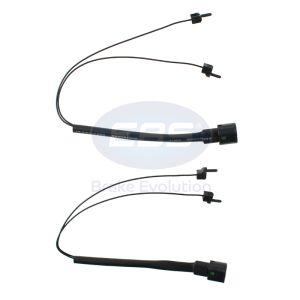 EKWL.111 BRAKE PAD WEAR INDICATOR - PAIR - 380MMA typical vehicle braking system consists of a pair of brake pads, a brake disc and a brake Caliper for each wheel. The pads are fitted in the Caliper with their friction material almost touching the two sides of the brake disc. When the brake pedal is pressed, hydraulic fluid in the Caliper pushes each brake pad against each side of the rotating brake disc. This results in friction which slows down and eventually stops the vehicle. When you think of the number of times this simple action takes place every day, week, month and year – it's no surprise that brake pads suffer gradual wear, so they need replacing regularly. Learn MorePlease contact us for price and availability
 -
 EKWL.113 BRAKE PAD WEAR INDICATOR - PAIR - 320MMA typical vehicle braking system consists of a pair of brake pads, a brake disc and a brake Caliper for each wheel. The pads are fitted in the Caliper with their friction material almost touching the two sides of the brake disc. When the brake pedal is pressed, hydraulic fluid in the Caliper pushes each brake pad against each side of the rotating brake disc. This results in friction which slows down and eventually stops the vehicle. When you think of the number of times this simple action takes place every day, week, month and year – it's no surprise that brake pads suffer gradual wear, so they need replacing regularly. Learn MorePlease contact us for price and availability
 -
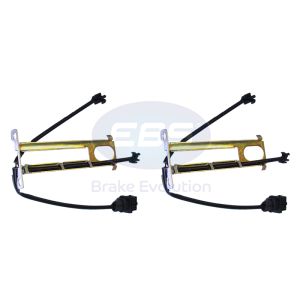 EKWL.123 BRAKE PAD WEAR INDICATOR - PAIR - 340MMA typical vehicle braking system consists of a pair of brake pads, a brake disc and a brake Caliper for each wheel. The pads are fitted in the Caliper with their friction material almost touching the two sides of the brake disc. When the brake pedal is pressed, hydraulic fluid in the Caliper pushes each brake pad against each side of the rotating brake disc. This results in friction which slows down and eventually stops the vehicle. When you think of the number of times this simple action takes place every day, week, month and year – it's no surprise that brake pads suffer gradual wear, so they need replacing regularly. Learn MorePlease contact us for price and availability
 -
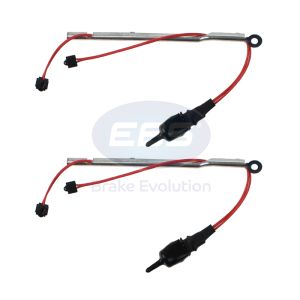 EKWL.125 BRAKE PAD WEAR INDICATOR - PAIR - 350MMA typical vehicle braking system consists of a pair of brake pads, a brake disc and a brake Caliper for each wheel. The pads are fitted in the Caliper with their friction material almost touching the two sides of the brake disc. When the brake pedal is pressed, hydraulic fluid in the Caliper pushes each brake pad against each side of the rotating brake disc. This results in friction which slows down and eventually stops the vehicle. When you think of the number of times this simple action takes place every day, week, month and year – it's no surprise that brake pads suffer gradual wear, so they need replacing regularly. Learn MorePlease contact us for price and availability
 -
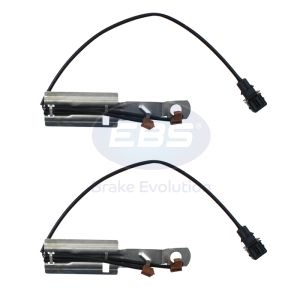 EKWL.127 BRAKE PAD WEAR INDICATOR - PAIR - 460MMA typical vehicle braking system consists of a pair of brake pads, a brake disc and a brake Caliper for each wheel. The pads are fitted in the Caliper with their friction material almost touching the two sides of the brake disc. When the brake pedal is pressed, hydraulic fluid in the Caliper pushes each brake pad against each side of the rotating brake disc. This results in friction which slows down and eventually stops the vehicle. When you think of the number of times this simple action takes place every day, week, month and year – it's no surprise that brake pads suffer gradual wear, so they need replacing regularly. Learn MorePlease contact us for price and availability
 -
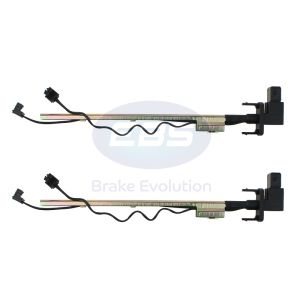 EKWL.132 BRAKE PAD WEAR INDICATOR - PAIR - 230MMA typical vehicle braking system consists of a pair of brake pads, a brake disc and a brake Caliper for each wheel. The pads are fitted in the Caliper with their friction material almost touching the two sides of the brake disc. When the brake pedal is pressed, hydraulic fluid in the Caliper pushes each brake pad against each side of the rotating brake disc. This results in friction which slows down and eventually stops the vehicle. When you think of the number of times this simple action takes place every day, week, month and year – it's no surprise that brake pads suffer gradual wear, so they need replacing regularly. Learn MorePlease contact us for price and availability
 -
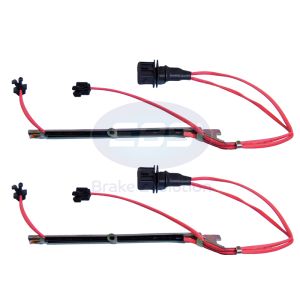 EKWL.141 BRAKE PAD WEAR INDICATOR - PAIR - 395MMA typical vehicle braking system consists of a pair of brake pads, a brake disc and a brake Caliper for each wheel. The pads are fitted in the Caliper with their friction material almost touching the two sides of the brake disc. When the brake pedal is pressed, hydraulic fluid in the Caliper pushes each brake pad against each side of the rotating brake disc. This results in friction which slows down and eventually stops the vehicle. When you think of the number of times this simple action takes place every day, week, month and year – it's no surprise that brake pads suffer gradual wear, so they need replacing regularly. Learn MorePlease contact us for price and availability
 -
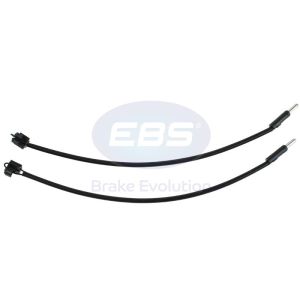 EKWL.144 BRAKE PAD WEAR INDICATOR - PAIR - 260MMA typical vehicle braking system consists of a pair of brake pads, a brake disc and a brake Caliper for each wheel. The pads are fitted in the Caliper with their friction material almost touching the two sides of the brake disc. When the brake pedal is pressed, hydraulic fluid in the Caliper pushes each brake pad against each side of the rotating brake disc. This results in friction which slows down and eventually stops the vehicle. When you think of the number of times this simple action takes place every day, week, month and year – it's no surprise that brake pads suffer gradual wear, so they need replacing regularly. Learn MorePlease contact us for price and availability
 -
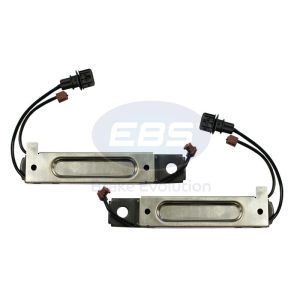 EKWL.159 BRAKE PAD WEAR INDICATOR - PAIR - 320MMA typical vehicle braking system consists of a pair of brake pads, a brake disc and a brake Caliper for each wheel. The pads are fitted in the Caliper with their friction material almost touching the two sides of the brake disc. When the brake pedal is pressed, hydraulic fluid in the Caliper pushes each brake pad against each side of the rotating brake disc. This results in friction which slows down and eventually stops the vehicle. When you think of the number of times this simple action takes place every day, week, month and year – it's no surprise that brake pads suffer gradual wear, so they need replacing regularly. Learn MorePlease contact us for price and availability


